
Commercial real estate development is a powerful tool for community development. Like any tool, its effectiveness is defined by the people who wield it.
Throughout American history, developers have responded, sometimes constructively, sometimes destructively, to the needs, pressures, and opportunities within communities. Over the last 150 years, the dynamic relationship between private developers, public officials, and community organizations has profoundly shaped the neighborhoods and cities we inhabit today.
Early suburbs emerged as a response to industrialization and the public health crises plaguing dense urban centers. In the late 1800s, monumental commercial buildings rose in city cores to attract people back downtown, to spend money, socialize, and participate in civic life. After World War II, widespread reconstruction in the United States and Europe catalyzed another wave of urban transformation.
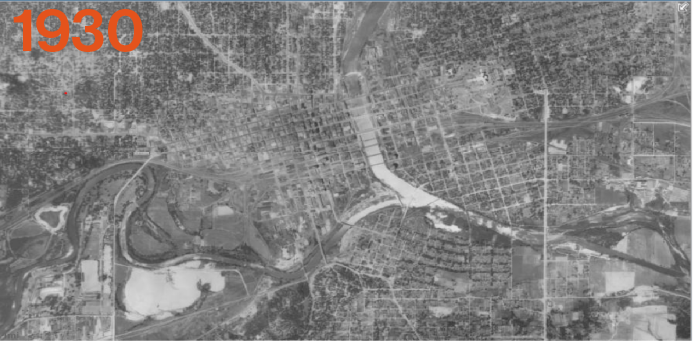
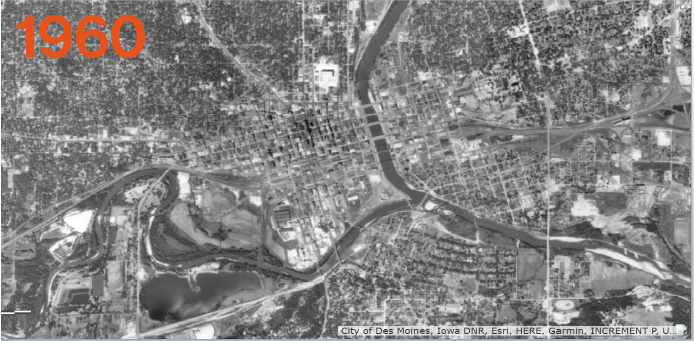
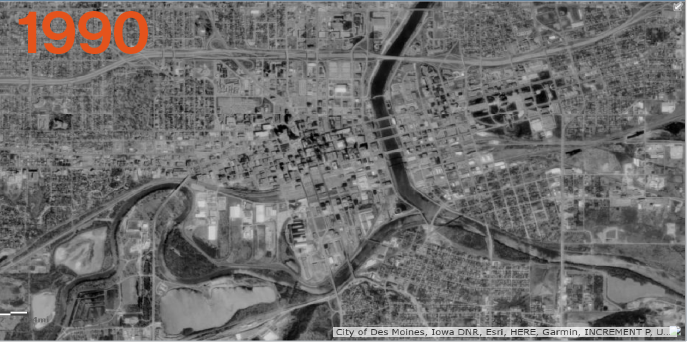
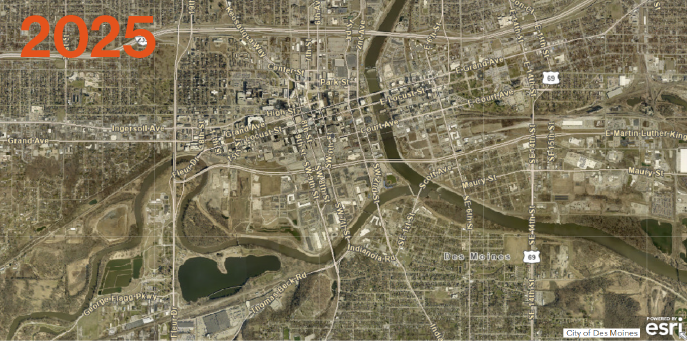
The Housing Act of 1949, perhaps the most consequential driver of Urban Renewal in the United States, reshaped cities at an unprecedented scale. Massive federal funding enabled widespread demolition and reconstruction in urban cores. While these investments produced new housing and infrastructure, they often erased existing neighborhoods and displaced vibrant communities. Urban Renewal became the perfect arena for conflict among private interests, public authority, and community voices. Alliances formed and dissolved around specific issues, with power constantly shifting among the three.
Today’s community development ecosystem is the product of this evolution, shaped by historical tensions, policy responses, and changing relationships between sectors.
The goal of this series is to introduce readers to public programs that function as tools for community development, viewed through the lens of commercial real estate development. I believe the most effective way to create stability, opportunity, and long-term growth in our communities is through intentional partnerships between the private and public sectors, grounded in real community needs.
Many of the most impactful community development programs come with high barriers to entry, technical complexity, regulatory constraints, and capital requirements that limit who can participate. In this series, I will demystify several of these programs and explore how they are used in practice:
Low Income Housing Tax Credit (LIHTC)
New Markets Tax Credit (NMTC)
Historic Tax Credits
Community Development Block Grants (CDBG)
HOME Investment Partnerships Program
Tax Increment Financing (TIF)
Tax Abatement
Housing Trust Fund grants and loans
Community and foundation grants
Early in my own development work, reliable, plain-language information about these programs was difficult to find. My hope with this series is to lower that barrier, to help practitioners, community advocates, and emerging developers understand where to look for financing, how these tools fit together, and how they can be used more intentionally in service of community development.